Background
The Arts and Crafts movement emerged in the 1860’s as a response to the world’s continued industrialization, and the way in which this industrialization was negatively affecting the quality of goods and the value of human workers. The pioneers of this movement, such as William Morris, believed that placing value on handmade goods and human craft was necessary in order avoid an over-reliance on machine-made goods and allow for workers to live dignified lives.
William Morris
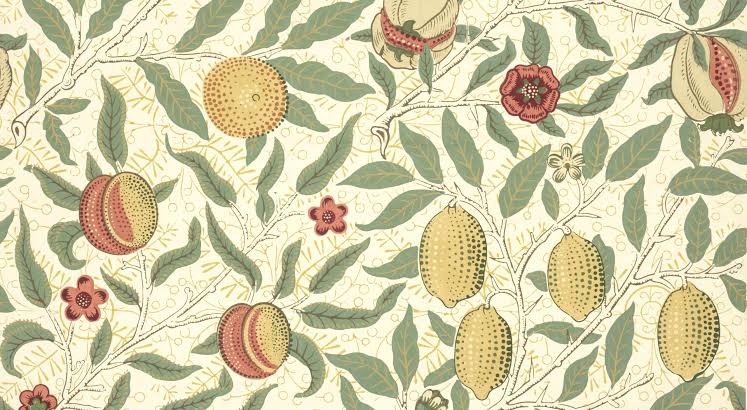
William Morris was an English artist and poet best known for his textile designs and helping to found the design firm Morris, Marshall, and Faulkner (known today as Morris and Co.) Morris was very active in circles of political thought, contributing his writings to a variety of socialist publications and regularly advocating for improvements in the conditions and quality of life afforded to the working class. His work News from Nowhere showcases his version of a utopia, a village-like society without money, laws, police, and a characteristic lack of modern machinery that he clearly saw as an antagonist to the working class. I first learned of Morris when looking at wallpaper designs as inspiration for relief carvings on ceramic vessels.
Similar Sentiments
As our contemporary world has become increasingly digital, it’s easy to see how sentiments similar to those of the Arts and Crafts movement have emerged and led to an increased interest in things that feel more grounded, tactile, and overall human. A clear example of this is in people’s desire (and willingness to pay up for) physical copies of media that they likely already have digital access to, such a vinyls, polaroid cameras, physical books etc. (Due to some combination of digital burnout, nostalgia baiting, and Taylor Swift, total vinyl record sales in 2025 surpassed $1 billion for the first time in decades) I think this is indicative of a general cultural desire to physically possess items of creative or sentimental value in a time where our lives, relationships, and sentiments are largely digitized.
Ceramicist Propaganda
Here is where my bias as a ceramicist shows. I believe that engaging with, owning, and using handmade ceramics is one of the most accessible and rewarding ways we can bring elements of human craft and meaning into our day-to-day lives.
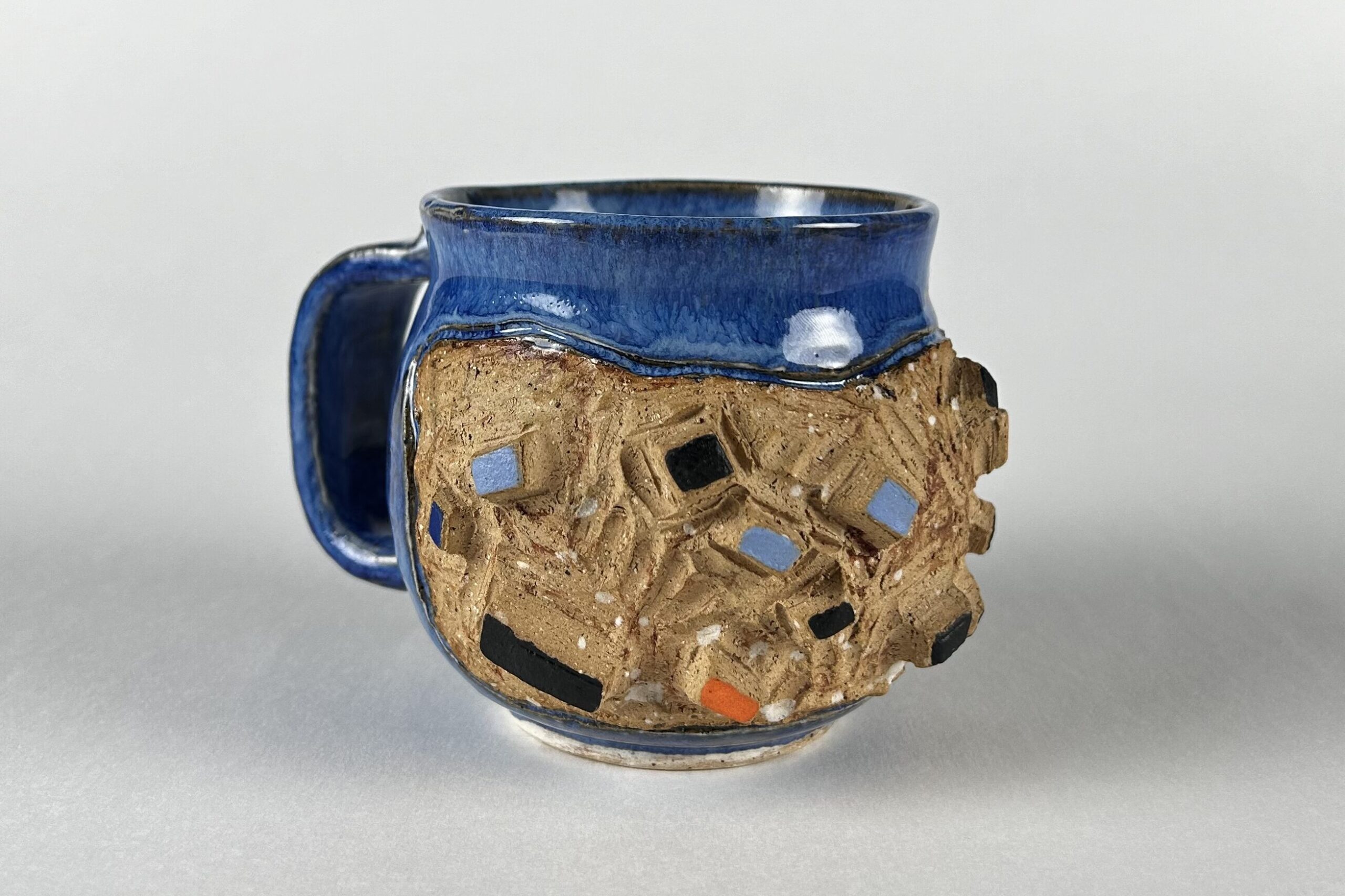
I think that mugs are the most accessible point for people to get into using and collecting handmade ceramic ware. They are a functional part of many people’s morning and night routines when making themselves cups of coffee or tea, while also serving a decorative purpose with many people having dedicated mug racks and shelves. Whereas buying a comprehensive set of handmade ceramic bowls, glasses, plates, etc. is far more expensive than buying the equivalent generic glassware, many handmade mugs you can find at craft markets are priced in the $20 – $30 range, which isn’t far off from what you’d pay for a mug at any random souvenir shop.
I personally have never produced mugs in large numbers because I really enjoy making handle-less cups, and I’ve found that though a mug takes about twice as long for me to make a handle-less cup, it is hard to justify charging a significant amount more for a mug when the two items are sitting next to each other on a table. There’s a lot of politics involved in arranging ceramic dishes on a market table.
Though they aren’t my cup of tea, I think investing in a couple handmade ceramic mugs is a really cool way to liven up your morning coffee ritual, support local artists, and embrace human craftsmanship in a time where its increasingly hard to come by.
Leave a Reply