Background
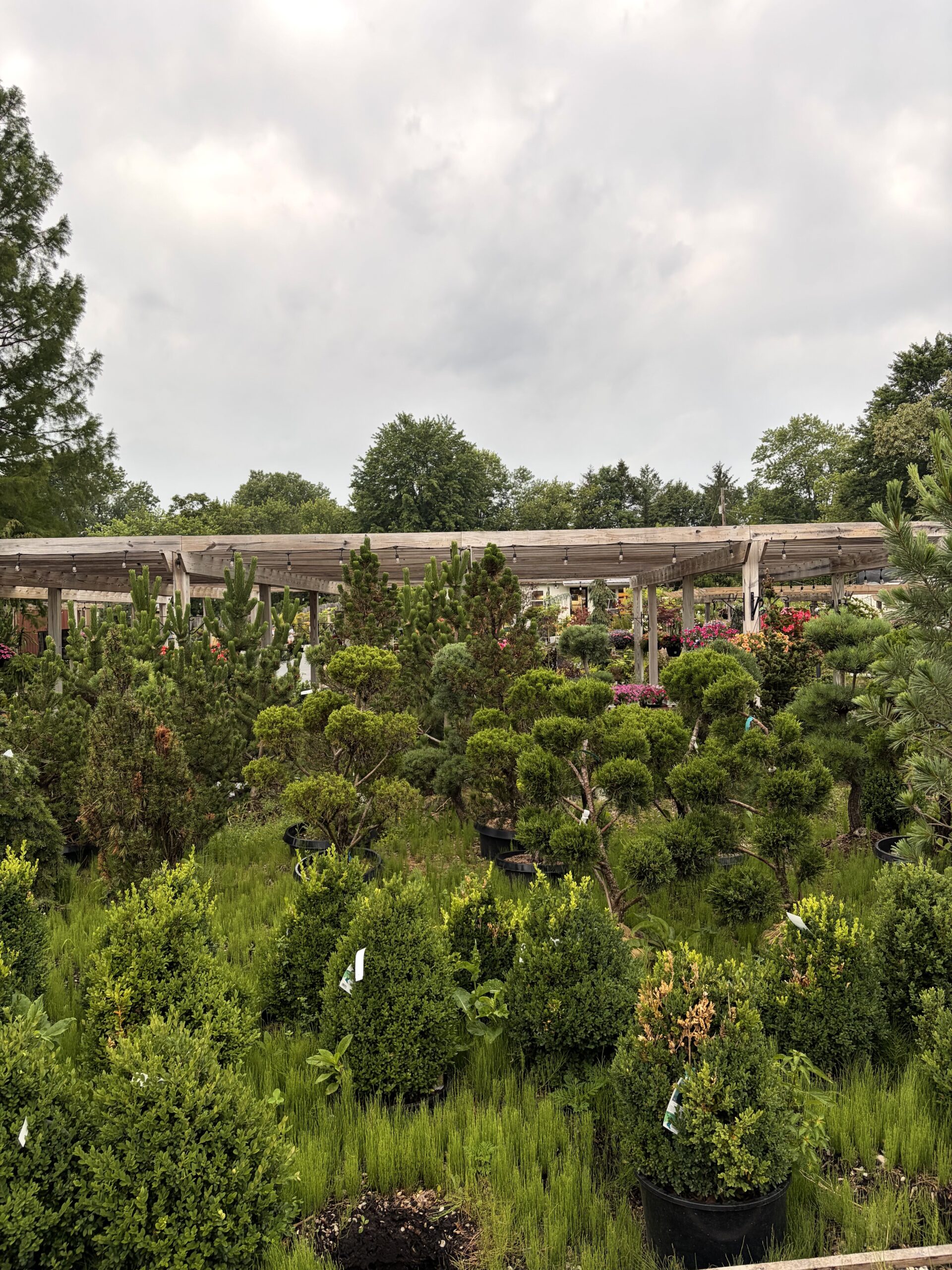
In the past couple of years, I’ve gotten really into gardening and horticulture. I find that the intention and routines needed to grow healthy plants helps me feel grounded and gives me a sense of purpose and progress even when I don’t have much else going on. There’s also, of course, the added perks of having fresh produce, pretty flowers, and statement décor pieces.
Since moving to Indiana, I’ve been working at a plant nursery that sells both the regular stock of annuals, perennials, vegetables, houseplants, etc. that you’d find at any given nursery, but also a variety of unique and interesting conifers. We get a lot of specialty cultivars and “specimen” trees shipped in from growers in Oregon, many of which looks like they are ripped straight from Dr. Seuss books. We also have a ridiculous amount of Japanese maples. I guess the population of Bloomington has been gifted with eastern sensibilities.
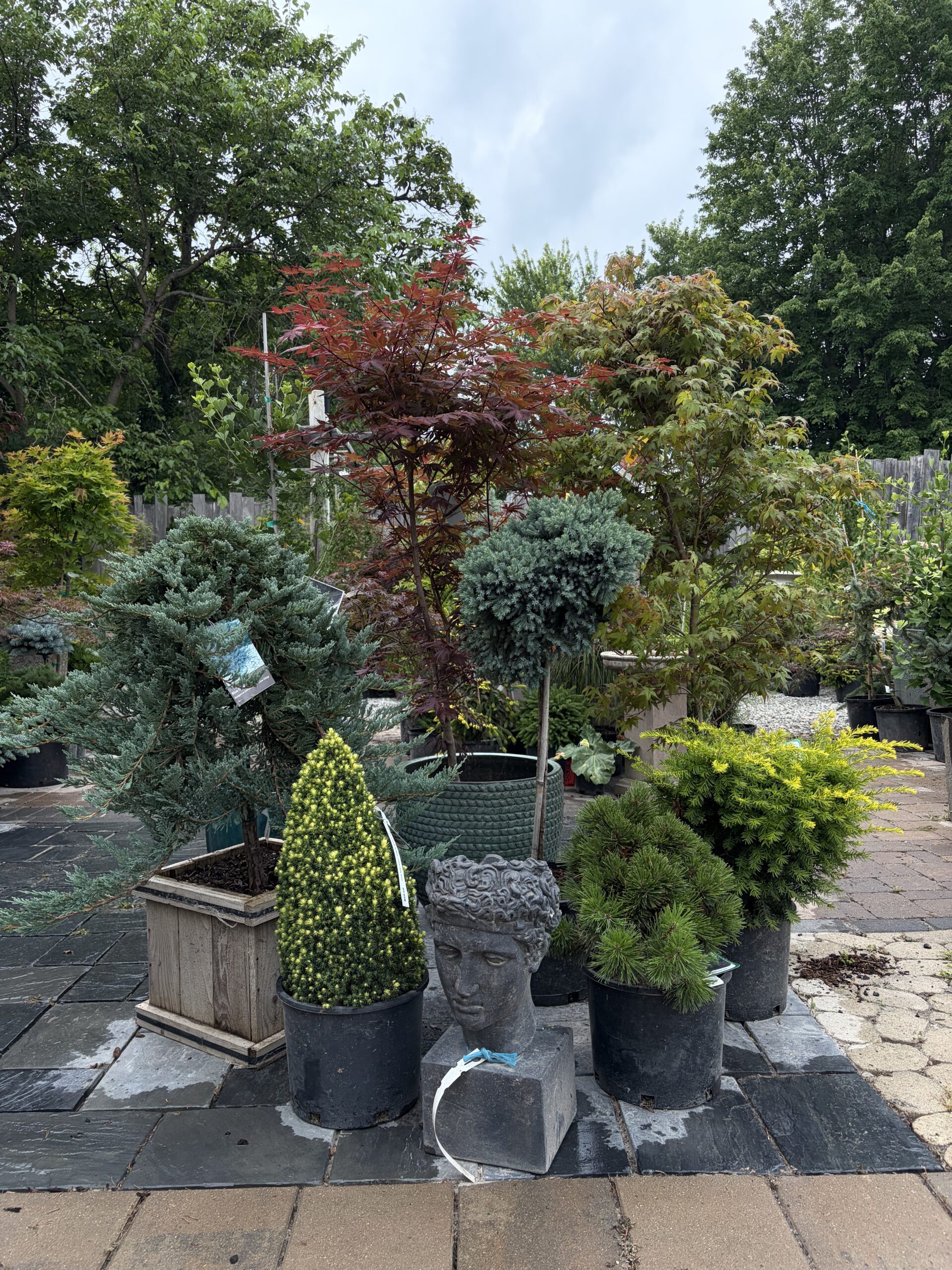
I spend hours around these plants every day and find the variety in their shapes, colors, and textures to be really interesting. I’d like to make paintings about this, but I haven’t yet bridged the gap between interest and inspiration. I have a real soft spot for paintings that highlight plants, so I thought I’d share a couple of artists that I think do a really good job of capturing the dynamism and visual rhythms found in plant structure.
I’ll start with a couple heavy hitters:
Piet Mondrian
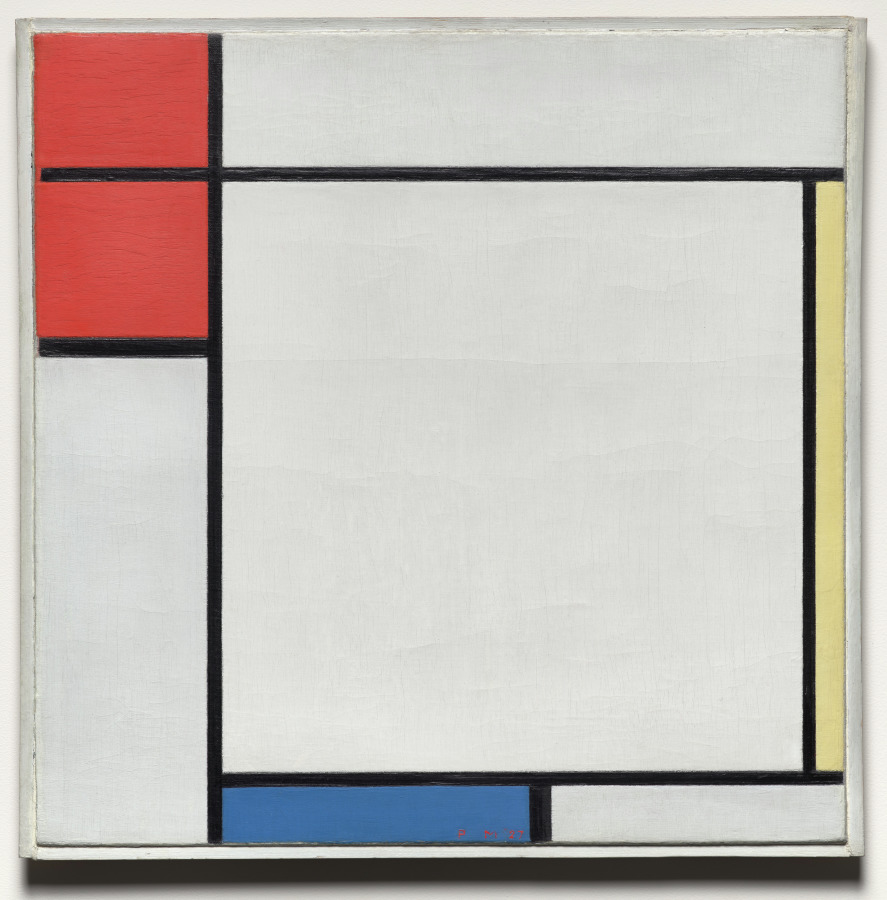
Piet Mondrian is best known for his square paintings that use only horizontal and vertical lines, white squares and rectangles, and solid blocks of primary colors to create balanced compositions that showcase universal harmony. He developed this style, known as “neo-plasticism”, in the latter half of his career.
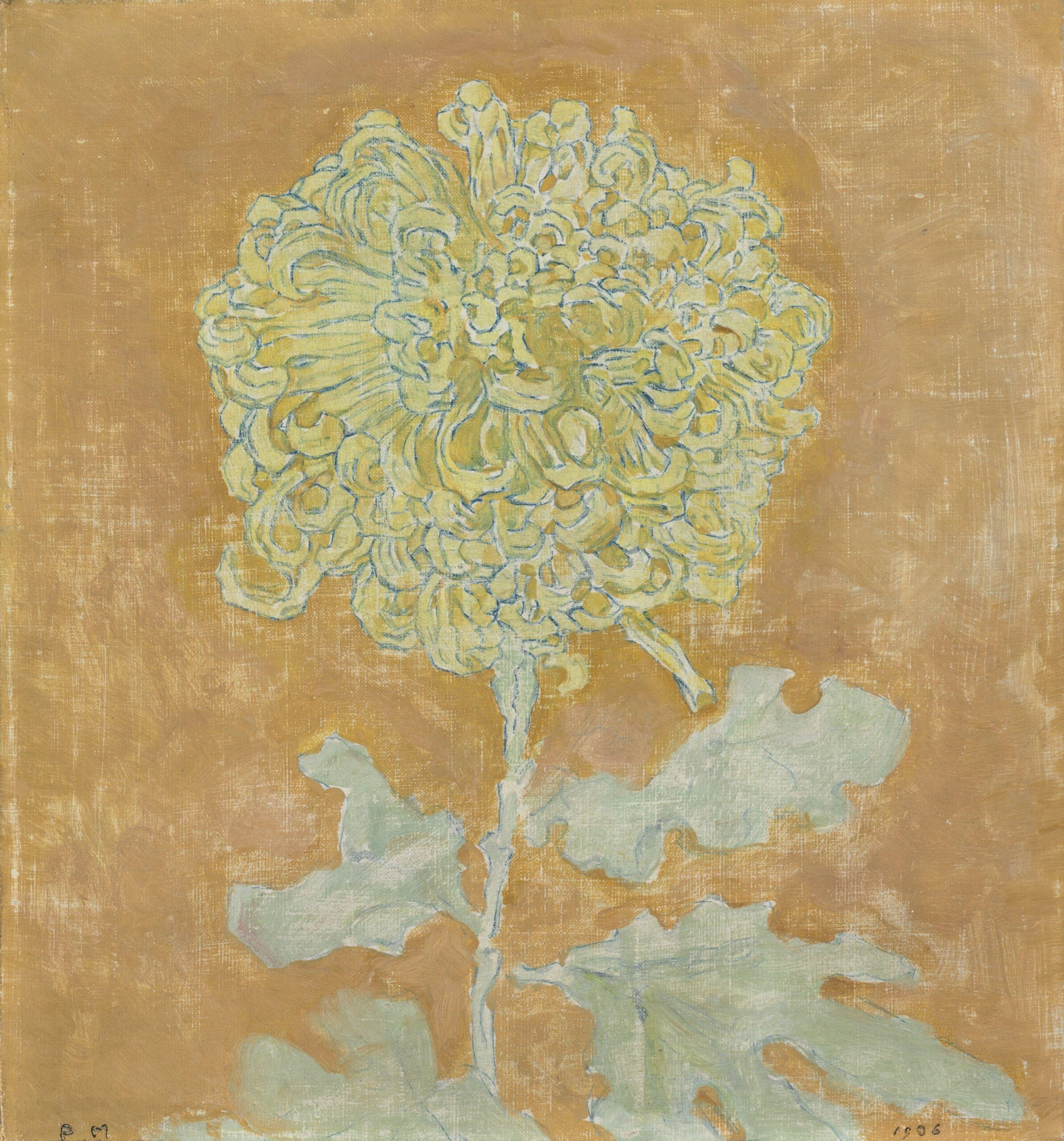
Last summer, I read a book about a lesser known vein of Mondrian’s work, titled Mondrian’s Flowers. This book introduced me to hundreds of the paintings he made of singular flowers. I really enjoy the way Mondrian captures the delicate structure of the flowers, while also using them as a way to study color relationships. My favorite element in his flower paintings is how the background color always seems to perfectly fit the subject in front of it, whether that be through contrast that highlights the flower or a neutral tone that compliments it.
David Hockney
David Hockney was a UK based artist that exhibited a wide array of works across his prolific career, many of which are either true landscape paintings, or at least place an emphasis on natural scenery. He passed on June 11, 2026 at 88 years old.
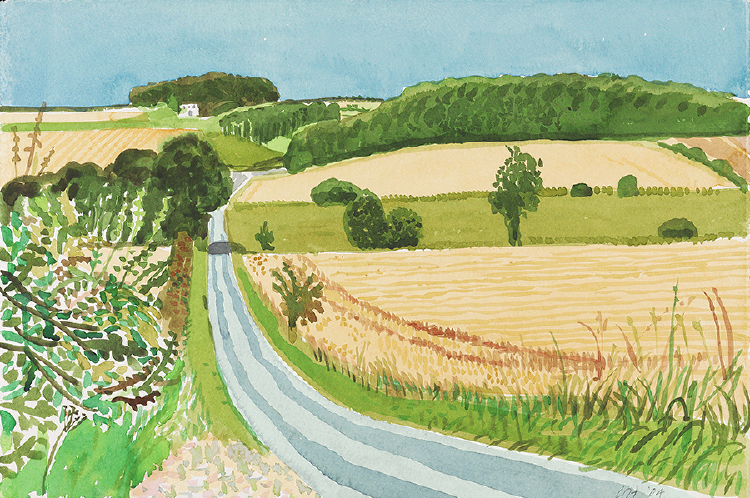
What I love about Hockney’s landscape paintings is the way that he pares down many of the finer details within a scene and ends up with simplified shapes. He is very good at using subtle color changes and line variations to imply distance between the different planes within his work. This creates a sense of depth that feels very natural.
Gianni Notarianni
Gianni Notatianni is a London based artist who primarily paints landscapes, flower bouquets, and birds. He considers his paintings “a contemplative response to nature” and credits his former life as a monk with helping him to develop his painting practice. I discovered Notarianni through his Instagram account where he posts paintings, prints, and studio updates.
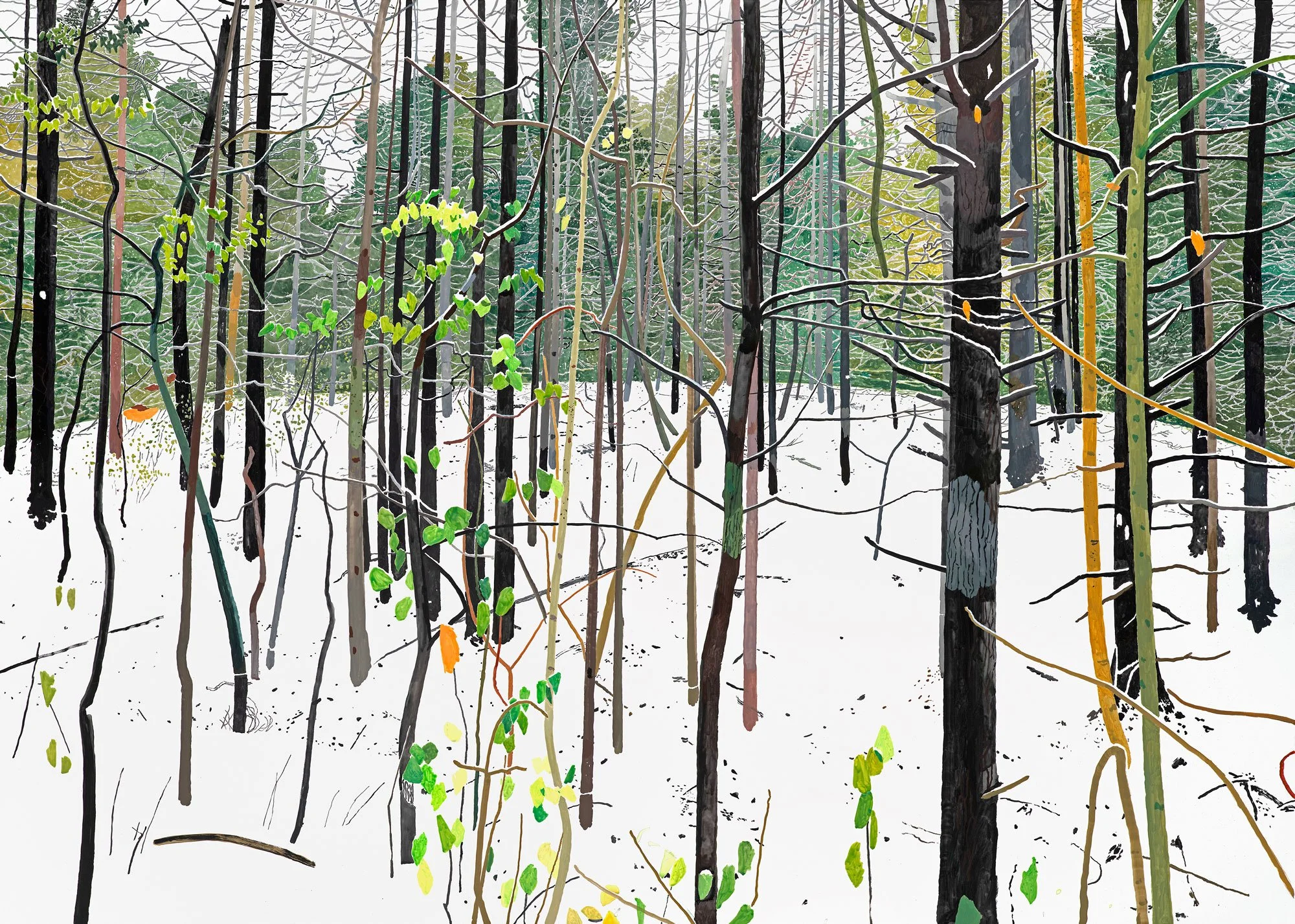
His landscapes are often densely composed, with an emphasis on plants, water, and the sky. He does an amazing job of using small marks to capture the shapes, colors, and movement found in foliage and underbrush. Many of his landscapes feature patches of this dense mark-making, contrasted tree trunks that create strong vertical lines in the composition.
He recently mentioned David Hockney as an inspiration for his practice, which I can see reflected in the way that Notarianni adds or withholds detail in different planes of his work to create depth and interest. Interestingly, they do this I almost opposite ways. Whereas Hockney had a pretty standard approach of reducing details as planes gets further from the viewer, many of Notarianni’s paintings have densely marked planes in the background situated behind sparsely detailed tree trunks in the foreground.
Moritz Moll
Moritz Moll is an accomplished painter who studied at the Academy of Fine Arts in Munich and most recently exhibited work at Galerie Biesenbach. He specializes in portraiture, having developed a distinct style that has features relatively flat picture planes and an emphasis on color relationships and textiles.
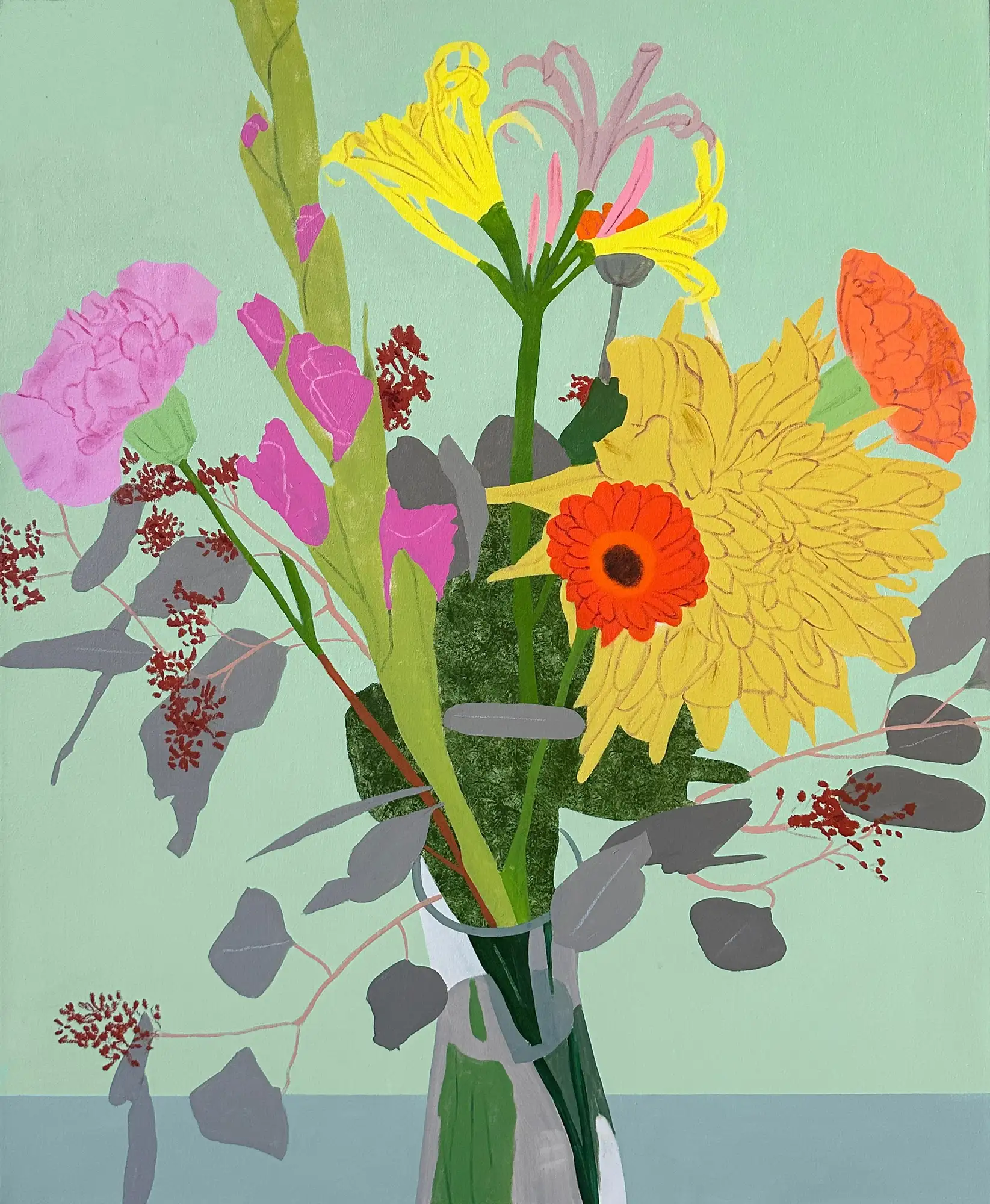
I was first introduced to his work through a series of still life paintings he made depicting flower bouquets. His combination of oil, acrylic, and spray paint on his canvases creates really interesting surfaces with points of textural and chromatic contrasts. The way that he flattens his images, especially his bouquet paintings, and seems to layer elements on top of one another creates a cool effect that’s reminiscent of collage or scrapbooking.
Leave a Reply